Why Priesthood Needs a Strategy, Not Hope

Fr. Nareg Terterian
October 13, 2026
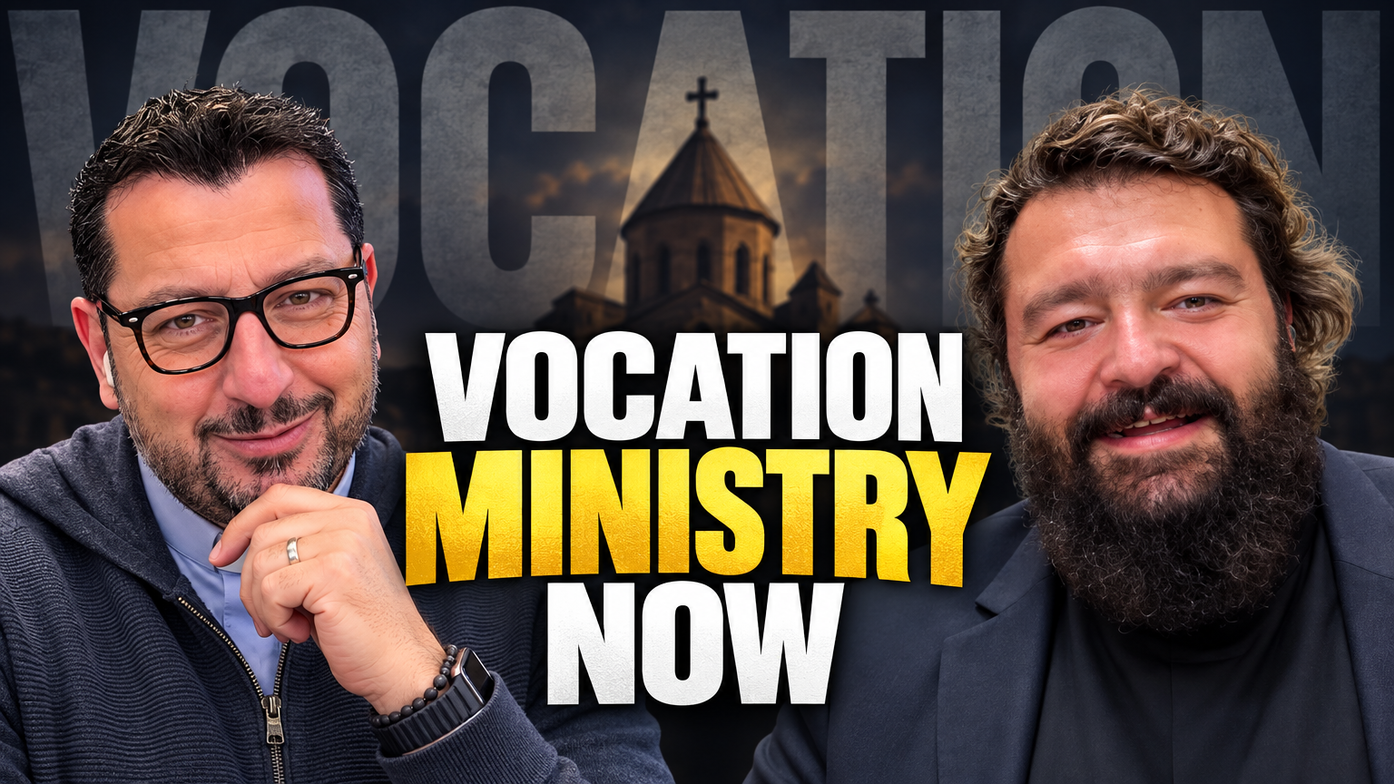
When Father Barouyr finished his doctorate at Fordham, he expected relief. Instead, he felt an unexpected void: no deadlines, no dissertation, no urgent benchmark pulling him forward.
That pause opened up a vital conversation about how study, ministry, and vocation intersect in the modern church.
A Question Rooted in Ministry
Father Barouyr’s background spans art and religion at Berkeley’s Graduate Theological Union to doctoral research at Fordham. His thesis centered on a crucial issue: promoting priestly vocations among American-born Armenians. Armenian communities urgently need clergy who understand local culture, yet American-born priests remain rare.
To understand why, he interviewed prospective candidates, active priests, and parish youth. One realization stood out: young people often hold an abstract view of clergy life. Seeing Spider-Man posters in a priest’s kid's room surprised some youth, reminding them that clergy lives are grounded and relatable. Practical concerns like finances, family needs, and career security also loom large.
Building a Culture of Vocation
Rather than expecting parish priests to manage recruitment alongside their daily pastoral duties, Father Barouyr advocates establishing a dedicated Vocation Ministry Office. A centralized initiative can offer resources, organize retreats, and help young people explore their calling with clarity and support.
He also points to models like the Coptic Church, where communities actively recognize potential leaders and present them to the bishop. Vocation isn't just about recruitment; it’s about how communities notice, nurture, and accompany future leaders.
Tune In to the Full Episode
How can the church build a supportive culture for its future leaders? Listen to our full discussion with Father Barouyr to explore insights on education, community, and calling.
Watch the full podcast episode here