Are you truly free? Not simply free to make choices, but free from the habits, fears, and desires that quietly control your life?
This question is at the heart of my recent sermon, inspired by Jesus’ first sermon in Nazareth (Luke 4:14–23) and St. Paul’s letter to the Galatians (Galatians 4:3–18).
When Jesus stood in the synagogue and proclaimed, “Today this scripture has been fulfilled in your hearing,” He announced something extraordinary: God's promise of liberation was becoming reality. But what does that freedom mean for us today?
St. Paul reminds us that through Christ, we are no longer slaves but God's children. We are invited to call God Abba, Father—a relationship defined not by fear, but by intimacy, trust, and love.
Yet we must ask ourselves: Are we living as free children of God, or have we become enslaved by our habits, distractions, resentments, and desires?
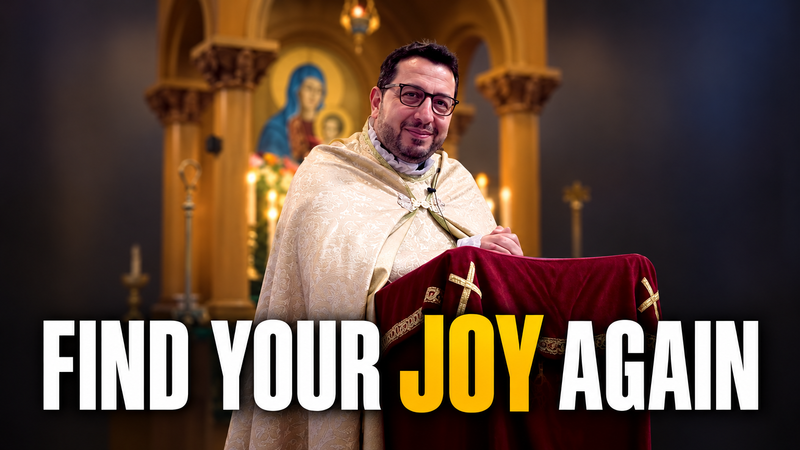
Paul asks the Galatians another penetrating question: “What has become of the blessing you felt?” In other words, what happened to your joy?
Spiritual joy rarely disappears overnight. It gradually fades when we neglect the practices that nourish our relationship with God.
Luke tells us that Jesus attended the synagogue on the Sabbath “as was his custom.” Even Jesus maintained a rhythm of worship.
Our spiritual lives also require consistency. Church is not a supermarket where we occasionally collect something spiritual. It is a sacred space of encounter, where worship, prayer, and the sacraments gradually transform us.
Freedom in Christ is not merely freedom from something. It is freedom for something: a life of love, joy, and communion with God.
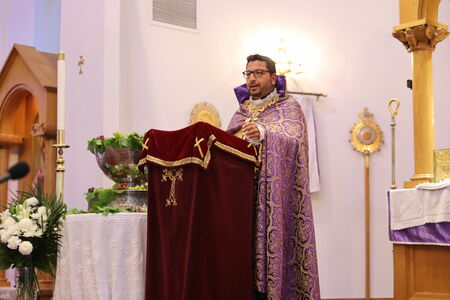
In this sermon, I invite you to examine what controls your life, rediscover your spiritual joy, and reconsider the transformative power of showing up for worship.
Perhaps the freedom you seek begins with returning to God.
Watch the full sermon and reflect: What happened to your joy?