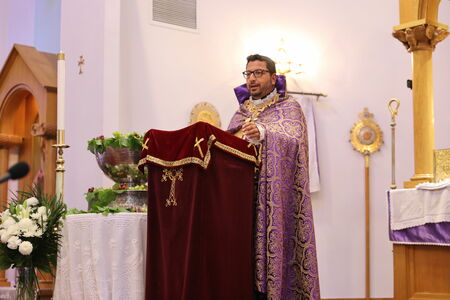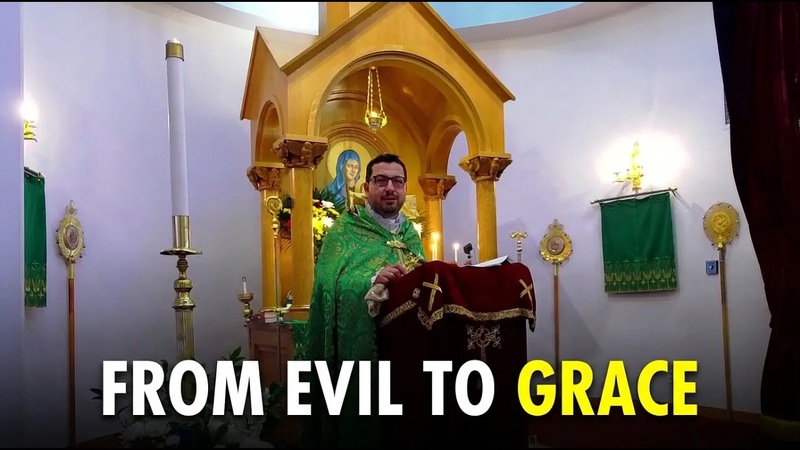
Why does God allow evil and suffering? How should we respond when life feels unfair, chaotic, or beyond our understanding? In this homily, Fr. Nareg Terterian explores one of Jesus’ most powerful teaching methods: the use of stories and parables to reveal profound spiritual truths. Focusing on the Parable of the Wheat and the Weeds, he examines why good and evil are often permitted to exist side by side, and what this teaches us about God’s patience, judgment, and grace. Rather than offering an easy explanation for suffering, the parable invites us to trust that God is still at work, even when His purpose is not immediately visible. It also challenges us to resist self-righteousness, avoid rushing to judgment, and cultivate patience in the face of life’s difficulties. In this homily, you’ll explore: • Why Jesus used storytelling to reach both the mind and the heart • How the presence of evil does not necessarily mean that God has abandoned us • Why patience may be one of the most faithful responses to chaos and suffering • How the Parable of the Wheat and the Weeds warns against judgment and self-righteousness • How setbacks and hardships can become opportunities for spiritual growth This episode is for anyone struggling with life’s unfairness, searching for meaning in suffering, or longing for a deeper understanding of God’s work in the world. Join Fr. Nareg as he offers a hopeful and compassionate perspective on enduring evil, navigating uncertainty, and learning to trust in the quiet unfolding of divine grace.